Introduction
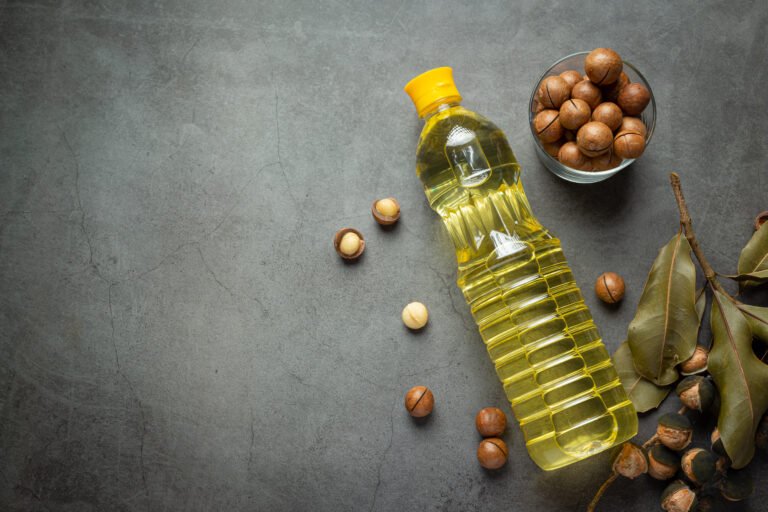
Palm oil product is one of the most widely used vegetable oils in the world, playing a crucial role in modern food production. Derived from the fruit of oil palm trees, palm oil is valued for its versatility, affordability, and functional properties. From baked goods and confectionery products to cooking oils and processed foods, palm oil has become an essential ingredient for food manufacturers across various industries.
In the Philippines and around the globe, food manufacturers rely on palm oil to improve product quality, enhance shelf life, and maintain consistent production standards. Understanding its benefits and applications can help businesses make informed decisions when sourcing food ingredients.
What is Palm Oil?
Palm oil is an edible vegetable oil extracted from the pulp of the oil palm fruit. It is naturally semi-solid at room temperature and contains a balanced combination of saturated and unsaturated fats, making it suitable for a wide range of food applications.
Due to its stability and neutral flavor profile, palm oil can be used in numerous food products without significantly altering taste, texture, or appearance.
Key Benefits of Palm Oil in Food Production
1. Excellent Stability and Long Shelf Life
One of the primary reasons manufacturers choose palm oil is its resistance to oxidation. This stability helps extend the shelf life of food products and reduces the likelihood of spoilage caused by rancidity.
Products made with palm oil often maintain their quality for longer periods, making it ideal for large-scale food manufacturing and distribution.
2. Versatile Functionality
Palm oil can serve multiple functions in food production, including:
-
Frying medium
-
Baking ingredient
-
Shortening substitute
-
Texture enhancer
-
Moisture retention agent
Its versatility allows manufacturers to use a single ingredient across various product lines.
3. Cost-Effective Production
Compared to many alternative vegetable oils, palm oil offers a cost-efficient solution for food manufacturers. Its high yield per hectare makes it one of the most productive oil crops in the world, contributing to competitive pricing and reliable supply.
4. Consistent Product Quality
Food manufacturers require ingredients that perform consistently in large-scale production environments. Palm oil provides uniform texture, appearance, and stability, helping ensure product consistency across batches.
5. Neutral Taste and Aroma
Palm oil’s mild flavor allows the natural taste of food products to remain unchanged. This makes it suitable for products where flavor preservation is essential.
Common Uses of Palm Oil in the Food Industry
Bakery Products
Palm oil is widely used in the bakery sector because it helps create desirable textures and improves product freshness. Common bakery applications include:
-
Bread
-
Cakes
-
Pastries
-
Cookies
-
Crackers
-
Muffins
Its functionality contributes to softness, structure, and extended shelf life.
Snack Food Manufacturing
Many snack products rely on palm oil for frying and texture enhancement. Examples include:
-
Potato chips
-
Corn snacks
-
Extruded snacks
-
Crackers
Palm oil’s heat stability makes it an excellent choice for high-temperature frying processes.
Confectionery and Chocolate Products
The confectionery industry uses palm oil and palm-based fats to improve texture, mouthfeel, and product stability. Applications include:
-
Chocolate coatings
-
Filled chocolates
-
Candy products
-
Cream fillings
-
Spreads
Palm oil helps maintain product integrity even in warmer climates.
Instant Noodles
Palm oil is commonly used in the production of instant noodles due to its frying performance and ability to maintain product quality during storage.
Margarine and Shortening Production
Palm oil serves as a key ingredient in:
-
Margarine
-
Vegetable shortening
-
Baking fats
-
Specialty fat blends
Its semi-solid nature allows manufacturers to formulate products without relying heavily on hydrogenation.
Processed Foods
Palm oil is frequently found in various processed food products such as:
-
Ready-to-eat meals
-
Sauces
-
Frozen foods
-
Dairy alternatives
-
Creamers
Its versatility supports diverse manufacturing requirements.
Palm Oil in Industrial Food Manufacturing
Large-scale food manufacturers value palm oil for its reliability and supply chain efficiency. The ingredient supports high-volume production while maintaining product consistency and quality standards.
Industries that commonly utilize palm oil include:
-
Food processing companies
-
Bakery manufacturers
-
Snack food producers
-
Beverage manufacturers
-
Confectionery companies
-
Restaurant and food service suppliers
As demand for processed and convenience foods continues to grow, palm oil remains a critical ingredient in supporting efficient production and product innovation.
Choosing a Reliable Palm Oil Supplier
When sourcing palm oil for food production, businesses should consider:
-
Product quality and consistency
-
Food safety certifications
-
Reliable inventory availability
-
Competitive pricing
-
Technical support
-
Supply chain stability
Partnering with a trusted food ingredients supplier can help ensure uninterrupted production and maintain product quality standards.
Conclusion
Palm oil continues to be a valuable ingredient in the global food industry due to its versatility, stability, cost-effectiveness, and wide range of applications. From bakery products and snacks to confectionery items and processed foods, palm oil supports efficient manufacturing while helping businesses maintain consistent product quality.
For food manufacturers seeking reliable ingredients that enhance performance and production efficiency, palm oil remains one of the most practical and widely used solutions available today.