Introduction
The food ingredient supply chain in the Philippines plays a critical role in ensuring that manufacturers, restaurants, and distributors maintain consistent product quality and availability. However, businesses often face disruptions due to logistics inefficiencies, import delays, and fluctuating costs.
If you are sourcing raw materials for food production, understanding these challenges—and how to solve them—can help you reduce risk, control costs, and maintain operational efficiency.
1. Unpredictable Logistics and Transportation Delays
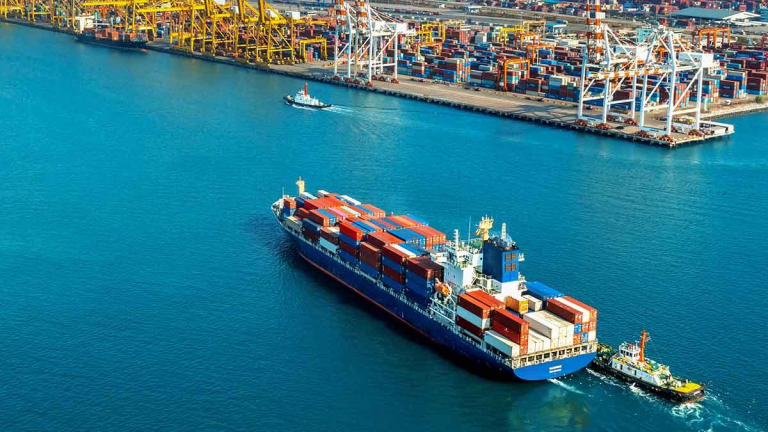
One of the most common issues in the Philippines is transportation delays, especially for imported ingredients. Congested ports, weather disruptions, and limited infrastructure can slow down deliveries.
Impact:
Production delays
Increased storage costs
Missed deadlines
Solution:
Work with reliable local suppliers with ready stock
Maintain buffer inventory (safety stock)
Use multiple logistics partners instead of relying on one
2. Dependence on Imported Raw Materials
Many food ingredients such as starches, proteins, and specialty additives are imported. This creates vulnerability to global supply disruptions.
Impact:
Price fluctuations
Limited availability during global crises
Longer lead times
Solution:
Source from suppliers with diversified import channels
Identify locally available alternatives where possible
Build long-term supplier relationships to secure allocation
3. Rising Costs of Food Ingredients
Inflation, fuel costs, and global demand all contribute to increasing ingredient prices.
Impact:
Reduced profit margins
Increased product pricing
Budget instability
Solution:
Buy in bulk to reduce cost per unit
Lock in contract pricing with suppliers
Optimize formulations with cost-effective ingredient substitutes
4. Inconsistent Quality and Supplier Reliability
Not all suppliers maintain consistent quality standards, which can affect your final product.
Impact:
Product inconsistencies
Customer dissatisfaction
Compliance issues
Solution:
Partner with trusted and verified suppliers
Request certifications and product specifications
Conduct regular quality checks and audits
5. Regulatory and Compliance Challenges
Food businesses must comply with strict regulations from government agencies such as the Food and Drug Administration Philippines and the Department of Trade and Industry Philippines.
Impact:
Delays in product approval
Legal risks
Product recalls
Solution:
Ensure all ingredients are properly documented and approved
Work with suppliers who understand local regulations
Stay updated with regulatory changes
6. Limited Cold Chain and Storage Infrastructure
Some ingredients require controlled temperatures, but cold storage facilities can be limited or costly.
Impact:
Spoilage and waste
Reduced shelf life
Financial losses
Solution:
Invest in proper storage facilities
Choose suppliers with established cold chain systems
Use FIFO (First In, First Out) inventory method
7. Lack of Supply Chain Visibility
Many businesses lack real-time tracking of their ingredient supply.
Impact:
Poor planning
Overstocking or stockouts
Inefficient operations
Solution:
Use inventory management systems
Implement supply chain tracking tools
Maintain clear communication with suppliers
Best Practices for a Strong Food Supply Chain
To build a resilient system, businesses should:
Diversify suppliers to reduce dependency
Maintain safety stock for critical ingredients
Monitor market trends and pricing regularly
Strengthen relationships with reliable partners
Invest in logistics and inventory technology
Conclusion
The food ingredient supply chain in the Philippines presents several challenges, but they are manageable with the right strategies. By improving sourcing, logistics, and supplier relationships, businesses can ensure consistent supply, stable pricing, and high product quality.
For food manufacturers and distributors, the key is to be proactive rather than reactive—anticipating disruptions and preparing solutions in advance.