Introduction
The demand for plant-based food ingredients in the Philippines is steadily increasing as consumers shift toward healthier, more sustainable, and environmentally friendly food choices. This trend presents significant opportunities for food manufacturers, distributors, and entrepreneurs to expand their product offerings and capture a growing market.
As global and local demand rises, businesses that invest in plant-based solutions can gain a competitive advantage while meeting evolving consumer preferences.
What Are Plant-Based Food Ingredients?
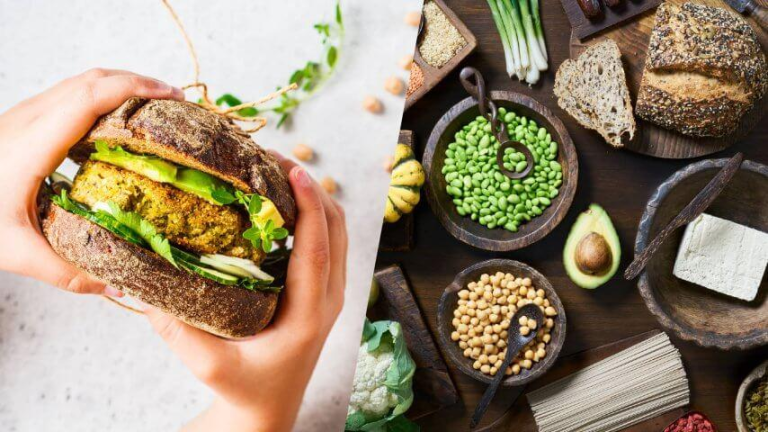
Plant-based food ingredients are derived from natural plant sources such as grains, legumes, vegetables, fruits, and seeds. These ingredients are commonly used as alternatives to animal-based products in food manufacturing.
Common Examples:
Soy protein
Pea protein
Coconut-based ingredients
Starches and fibers
Plant-based oils
Why Plant-Based Ingredients Are Growing in the Philippines
1. Health-Conscious Consumers
More Filipinos are becoming aware of the health benefits of plant-based diets, including lower cholesterol and improved digestion.
2. Rising Demand for Sustainable Food
Sustainability is influencing purchasing decisions, with consumers preferring products that have a lower environmental impact.
3. Expanding Vegan and Flexitarian Market
While not everyone is fully vegan, many consumers are adopting a “flexitarian” lifestyle—reducing meat consumption and incorporating plant-based alternatives.
Opportunities for Food Businesses
1. Product Innovation
Businesses can develop new plant-based food products such as:
Meat alternatives
Dairy-free beverages
Plant-based snacks
2. Market Expansion
Plant-based products appeal to a wider audience, including:
Health-conscious consumers
Individuals with dietary restrictions
Environmentally aware customers
3. Cost Efficiency Potential
Certain plant-based ingredients can be more cost-effective compared to animal-based raw materials, especially when sourced in bulk.
Key Plant-Based Ingredients in Demand
Protein Alternatives
Soy protein isolate
Pea protein
Mung bean protein
Functional Ingredients
Modified starches
Natural stabilizers
Plant-based emulsifiers
Flavor and Texture Enhancers
Yeast extracts
Natural flavorings
Plant-derived fats and oils
Challenges in Plant-Based Food Manufacturing
Despite the opportunities, businesses may face challenges when adopting plant-based ingredients.
Common Challenges:
Achieving the right taste and texture
Higher cost of specialty ingredients
Limited local supply for some materials
Solutions:
Work with experienced ingredient suppliers
Conduct product testing and formulation adjustments
Source from both local and international suppliers
Food Safety and Regulatory Compliance
Food manufacturers must ensure compliance with regulations set by the Food and Drug Administration Philippines to guarantee product safety and quality.
What Businesses Should Do:
Ensure proper labeling of plant-based products
Verify ingredient certifications
Maintain quality control throughout production
Best Practices for Entering the Plant-Based Market
To successfully enter and compete in the plant-based sector:
Start with small product trials before scaling
Invest in research and development
Educate consumers about product benefits
Build strong supplier partnerships
Focus on taste, quality, and affordability
Conclusion
The plant-based food ingredient market in the Philippines offers significant growth potential for food businesses. As consumer demand continues to evolve, companies that embrace plant-based innovation can unlock new revenue streams and strengthen their market position.
By combining the right ingredients, reliable sourcing, and effective product development, businesses can successfully capitalize on this growing trend.