Introduction
The food manufacturing industry in the Philippines is evolving rapidly as businesses adapt to changing consumer demands, technological advancements, and economic pressures. In 2026, manufacturers must stay ahead of emerging trends to remain competitive, improve efficiency, and meet market expectations.
Understanding these trends will help businesses make strategic decisions in sourcing, production, and distribution.
1. Rise of Plant-Based and Alternative Ingredients
Consumer demand for healthier and more sustainable food options continues to grow. Plant-based ingredients are becoming more popular across food manufacturing sectors.
Key Drivers:
Health-conscious consumers
Environmental sustainability concerns
Expanding vegan and flexitarian markets
What Businesses Should Do:
Incorporate plant-based alternatives into product lines
Explore ingredients like soy protein, pea protein, and starch-based substitutes
Partner with reliable ingredient suppliers
2. Increased Automation in Food Production
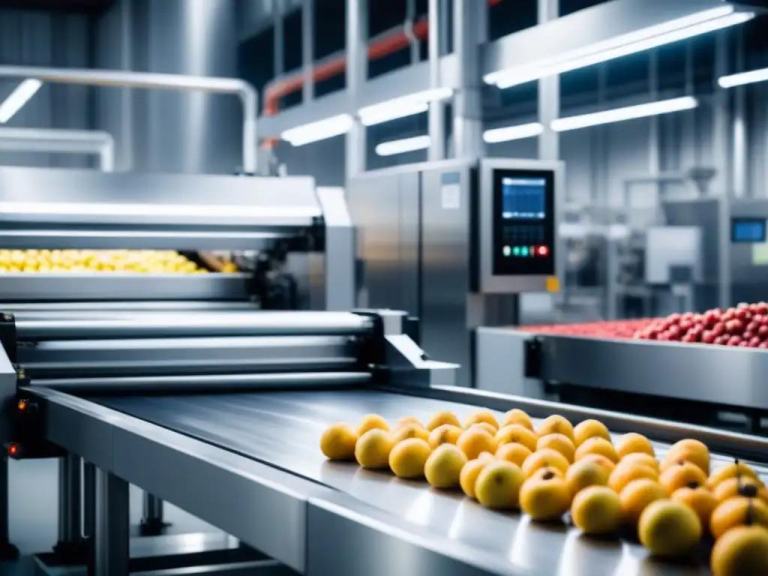
Automation is transforming how food is processed, packaged, and distributed. More manufacturers are investing in machinery to improve efficiency and reduce labor costs.
Benefits:
Faster production cycles
Reduced human error
Consistent product quality
What Businesses Should Do:
Invest in automated processing and packaging equipment
Train staff to manage automated systems
Start with semi-automation if full automation is not feasible
3. Focus on Cost Optimization and Efficiency
With rising raw material and logistics costs, businesses are prioritizing cost efficiency without compromising quality.
Key Strategies:
Reformulating products using cost-effective ingredients
Bulk purchasing and long-term supplier contracts
Improving production workflows
What Businesses Should Do:
Analyze cost structures regularly
Optimize ingredient sourcing
Reduce waste in production
4. Growth of Local Sourcing and Supply Chain Diversification
Businesses are reducing reliance on imports by exploring local suppliers and diversifying their supply chain.
Benefits:
Shorter lead times
Reduced logistics risks
Support for local industries
What Businesses Should Do:
Build partnerships with local suppliers
Combine local and imported sourcing strategies
Maintain multiple suppliers for critical ingredients
5. Stricter Food Safety and Compliance Standards
Regulatory compliance remains a top priority for food manufacturers in the Philippines.
Key Areas:
Product labeling requirements
Ingredient traceability
Food safety certifications
What Businesses Should Do:
Ensure compliance with the Food and Drug Administration Philippines
Maintain proper documentation for all ingredients
Conduct regular quality and safety audits
6. Sustainable and Eco-Friendly Packaging
Sustainability is becoming a major factor in consumer purchasing decisions. Businesses are shifting toward environmentally friendly packaging solutions.
Trends:
Biodegradable packaging
Reduced plastic usage
Recyclable materials
What Businesses Should Do:
Explore sustainable packaging alternatives
Work with eco-conscious suppliers
Communicate sustainability efforts to customers
7. Digital Transformation and Data-Driven Operations
Technology is enabling manufacturers to make smarter decisions through data analysis and digital tools.
Applications:
Inventory management systems
Demand forecasting
Supply chain tracking
What Businesses Should Do:
Implement digital tools for operations
Use data analytics for planning and forecasting
Improve visibility across the supply chain
Best Practices for Staying Competitive in 2026
To stay ahead in the evolving market, businesses should:
Adapt quickly to consumer trends
Invest in technology and automation
Strengthen supplier relationships
Focus on quality and compliance
Optimize costs without sacrificing standards
Conclusion
The food manufacturing industry in the Philippines in 2026 is driven by innovation, sustainability, and efficiency. Businesses that embrace these trends will be better positioned to grow, compete, and meet the demands of modern consumers.
By staying informed and proactive, manufacturers can turn these trends into opportunities for long-term success.