

Sauce Applications of MSG:
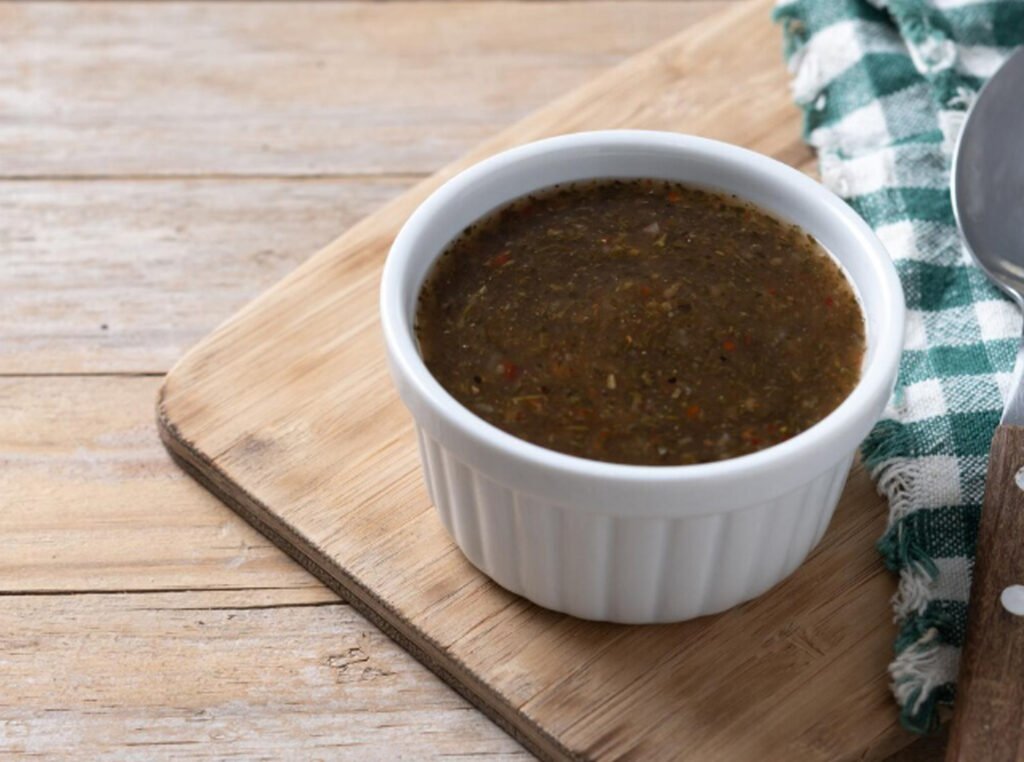
MSG is a powerful tool in sauce formulation, improving flavor depth, reducing sodium, and enhancing cost efficiency. When used correctly, it can elevate both homemade and commercial sauces without compromising quality. Below are its key benefits and applications in sauces
Common Sauce Applications of MSG:
Asian Sauces: Soy sauce, oyster sauce, hoisin sauce, teriyaki sauce.
Western Sauces: Barbecue (BBQ) sauce, ketchup, gravy, Worcestershire sauce.
Instant & Processed Sauces: Powdered soup bases, bouillon, ready-to-eat pasta sauces.
Marinades & Dressings: Enhances depth in marinades for meats and salad dressings.
Key Benefits of MSG in Sauces:
Flavor Enhancement
MSG boosts the umami taste, making sauces taste richer and more savory without adding extra salt or fat.
It balances and rounds out flavors, improving overall taste perception.
Reduced Sodium Content
MSG contains about ⅓ the sodium of table salt (NaCl), allowing for lower sodium levels while maintaining flavor intensity.
Helps in creating “reduced-sodium” or “healthier” sauce formulations.
Cost-Effective Ingredient
A small amount of MSG can significantly enhance flavor, reducing the need for expensive ingredients like meat extracts or additional spices.
Improved Palatability in Plant-Based Sauces
Enhances the savory taste of vegetarian and vegan sauces (e.g., soy-based, mushroom, or tomato sauces), making them more satisfying.
Faster Flavor Development
MSG helps sauces achieve a well-rounded taste profile quickly, reducing the need for long simmering times.
Synergy with Other Ingredients
Works well with nucleotides (e.g., disodium inosinate or guanylate) to create a stronger umami effect.
Complements salty, sweet, and sour flavors in sauces.