


Palm Oil Benefits in Meat Applications:
Palm oil is a versatile and economical ingredient in meat processing, improving texture, shelf life, and cooking performance. While it offers functional and nutritional benefits, responsible sourcing is crucial to mitigate environmental concerns. Palm oil is widely used in the meat industry due to its functional properties, cost-effectiveness, and nutritional benefits. Here’s an overview of its applications and advantages in meat products:
Applications of Palm Oil in Meat Products
Processed Meat Products
Used as a fat replacer in sausages, burgers, nuggets, and patties to improve texture and juiciness.
Enhances stability in emulsified meats (e.g., hot dogs, bologna) by preventing fat separation.
Frying Medium
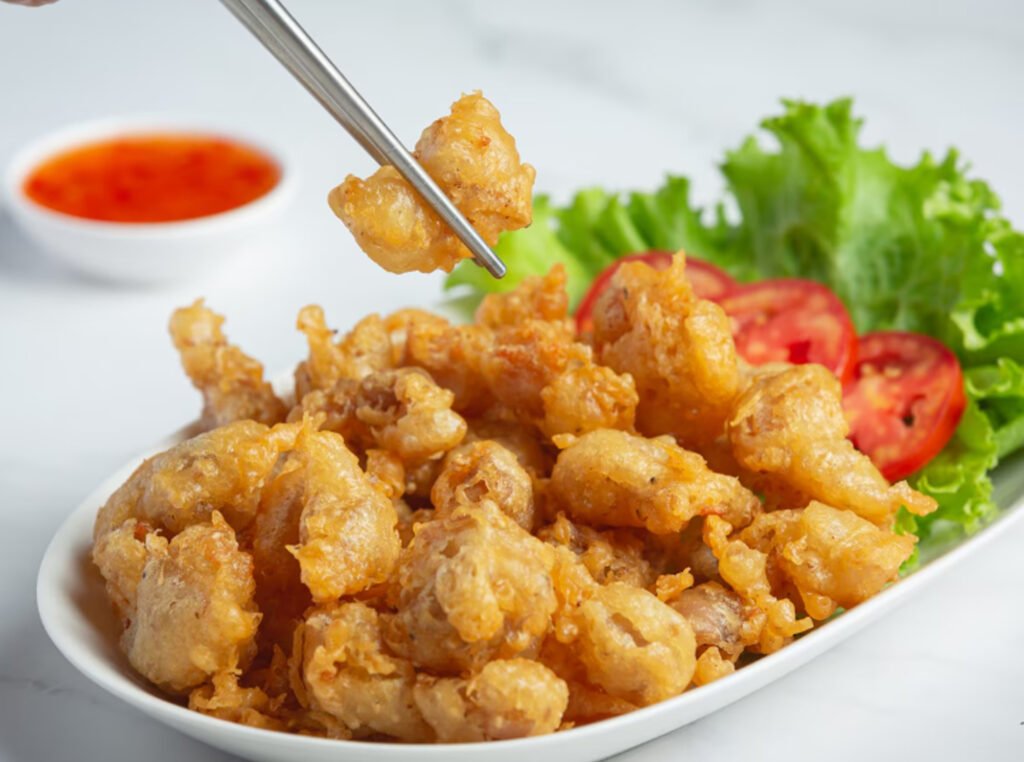
High smoke point (≈230°C) makes it ideal for deep-frying chicken, fish, and meat coatings, ensuring crispiness.
Meat Extenders & Analogues
Used in plant-based meat alternatives to mimic animal fat’s mouthfeel and flavor.
Shelf-Life Extension
Acts as a barrier against oxidation due to its high saturated fat content, prolonging product freshness.
Marinades & Coatings
Helps retain moisture in marinated meats and improves browning during cooking.
Benefits of Palm Oil in Meat Applications
Cost-Effective & Stable
Cheaper than animal fats and other vegetable oils while offering superior oxidative stability.
Texture & Palatability
Enhances tenderness, juiciness, and mouthfeel in processed meats.
Nutritional Aspects
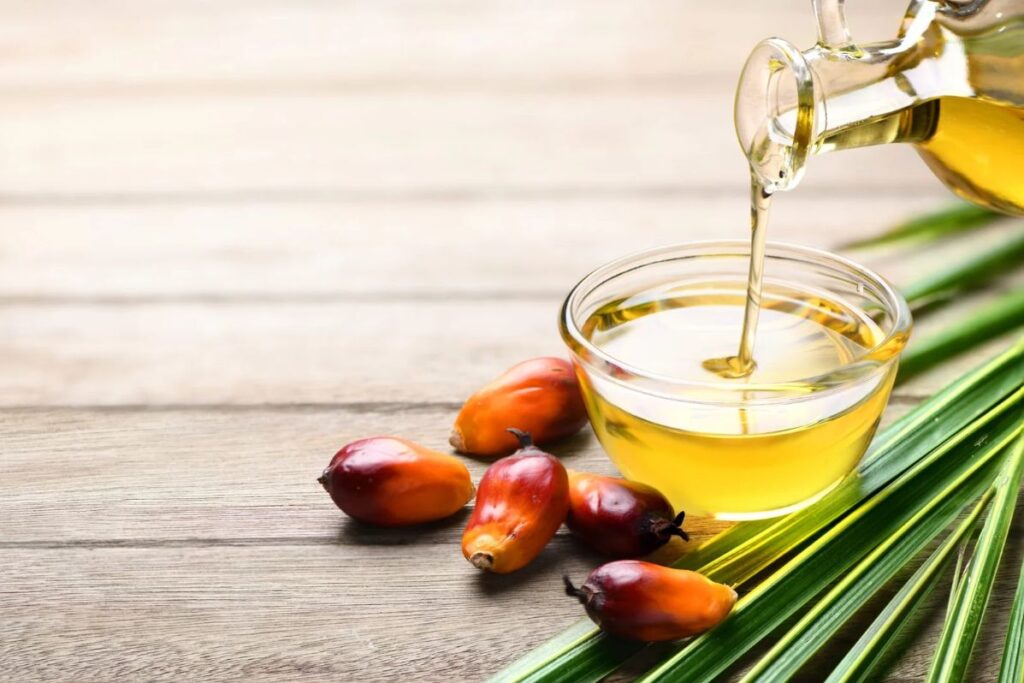
Contains vitamin E (tocotrienols) and beta-carotene (in red palm oil), providing antioxidant benefits.
Free from trans fats (when unhydrogenated), making it a healthier alternative to partially hydrogenated oils.
Functional Properties
Solid at room temperature (when fractionated), making it suitable for structured meat products.
Resists rancidity better than polyunsaturated oils (e.g., soybean or sunflower oil).
Sustainability (When Sourced Responsibly)
Certified sustainable palm oil (RSPO) can reduce environmental impact compared to deforestation-linked sources.