
Textured Soy Protein in Chinese Dim Sum:
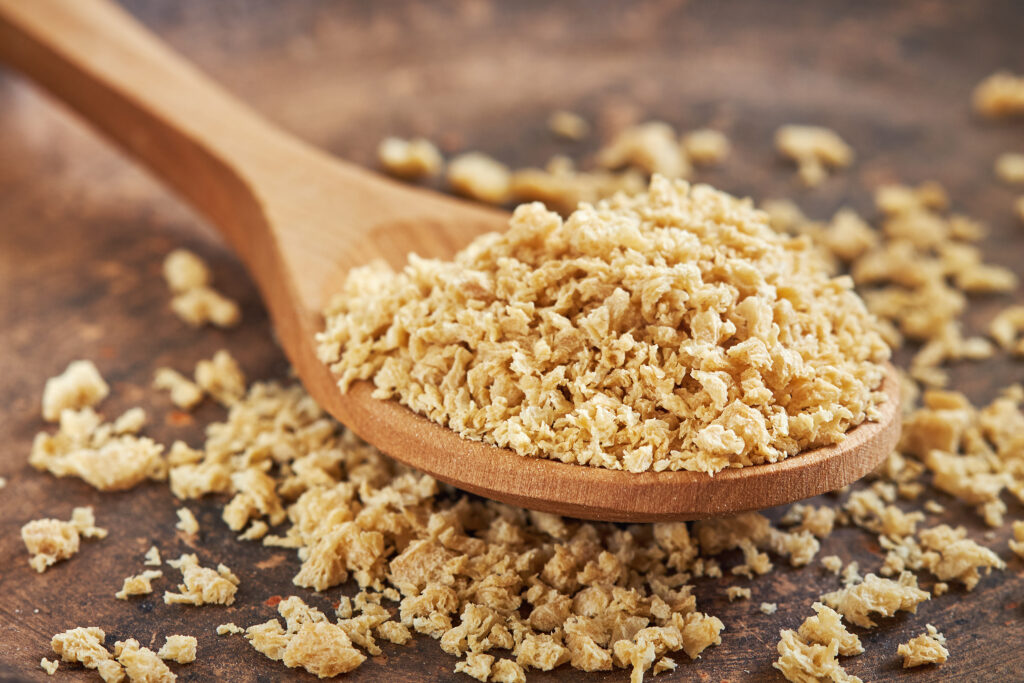
TSP is a game-changer for dim sum, offering health, sustainability, and versatility while maintaining authentic textures. As plant-based diets grow, expect more innovative TSP-based dim sum in both traditional and fusion styles. Textured Soy Protein (TSP), also known as soy meat or plant-based protein, is increasingly used in Chinese dim sum as a versatile and nutritious meat substitute. Its fibrous texture absorbs flavors well, making it ideal for traditional and modern dim sum applications.
Common Dim Sum Applications of TSP
Steamed Buns
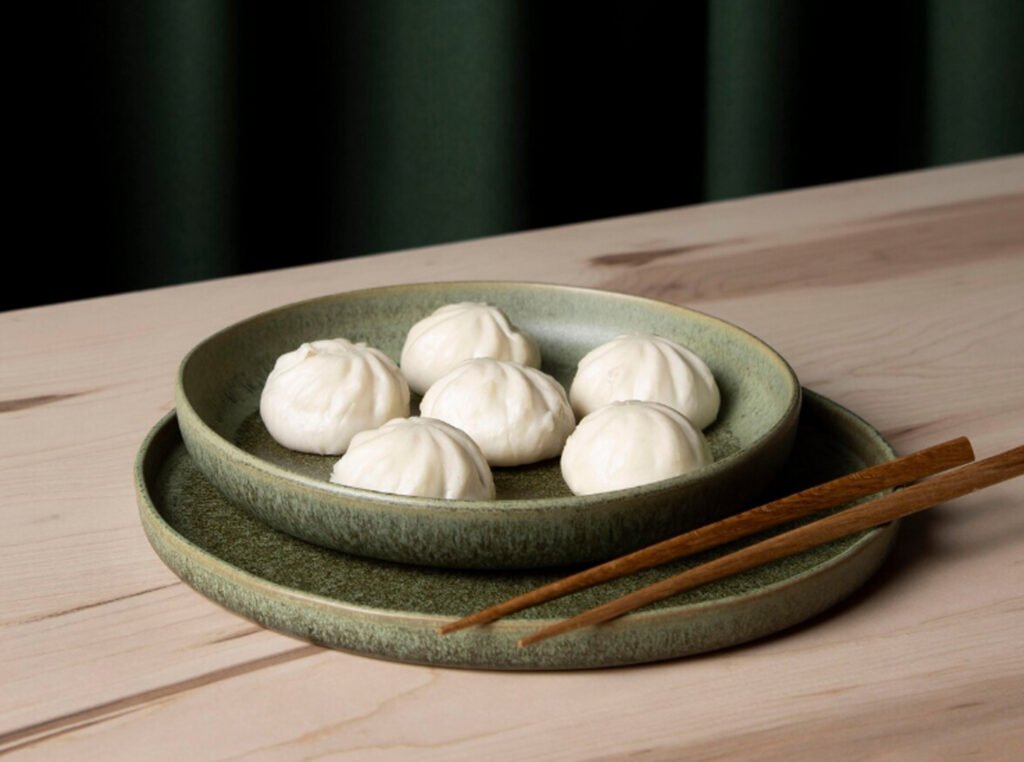
Used as a filling (e.g., vegetarian “char siu” bao, mushroom-soy buns).
Mimics the texture of pork or chicken when rehydrated and seasoned.
Dumplings
Blended with mushrooms, cabbage, or bamboo shoots for a meat-like bite.
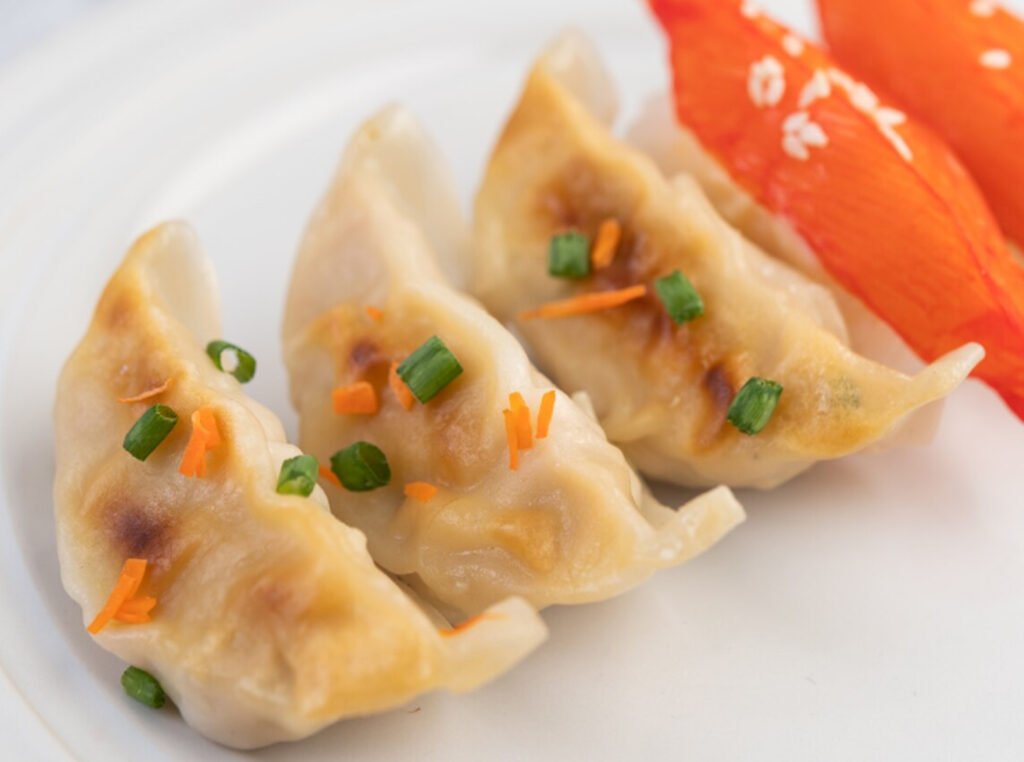
Used in vegan/vegetarian versions of classic pork or shrimp dumplings.
Spring Rolls & Turnip Cakes
add protein to vegetable-based fillings.
Enhances texture in fried or steamed dim sum.
Sticky Rice Wraps
Mixed with shiitake mushrooms and peanuts as a meat-free alternative.
Modern Dim Sum Innovations
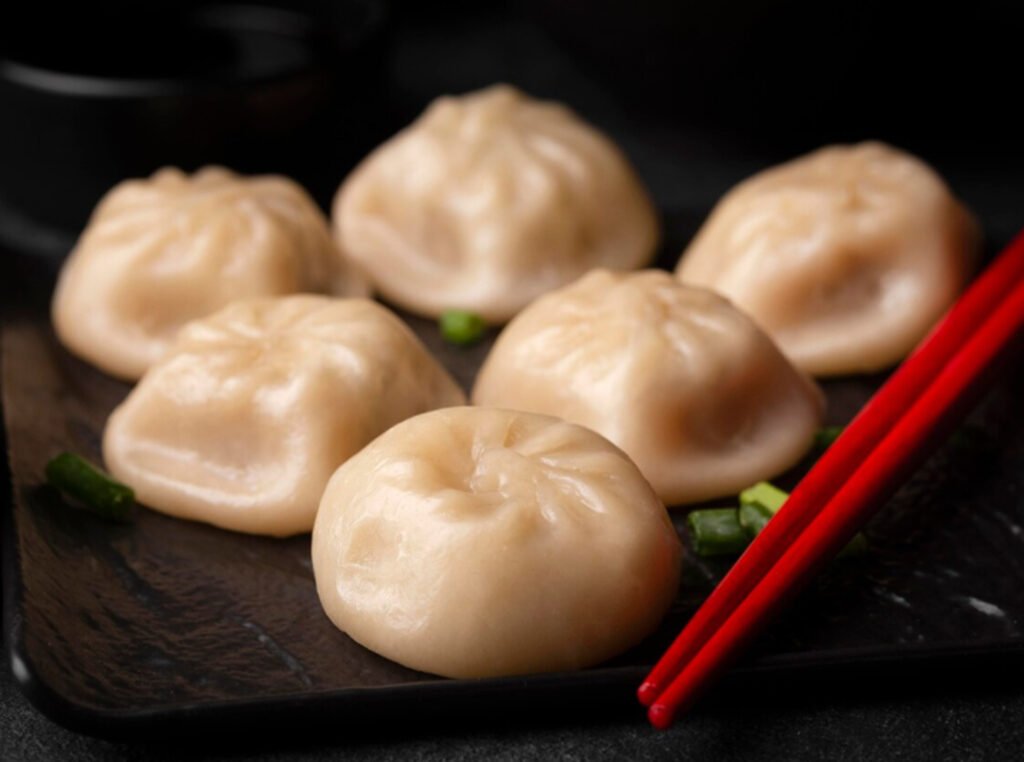
Used in vegan xiaolongbao (soup dumplings) with agar or konjac for a gelatin-like effect.
Featured in dim sum burgers or crispy soy protein pockets.
Key benefits of Using TSP in Dim Sum
High Protein & Nutrient-Dense
Contains ~50-70% protein, providing a meat-free protein source.
Rich in iron, fiber, and essential amino acids.
Cost-Effective & Sustainable
Cheaper than meat, reducing production costs.
Lower environmental impact (less water & land use than livestock).
Texture & Flavor Adaptability
Absorbs marinades and sauces (soy sauce, hoisin, five-spice) like meat.
Can mimic minced, shredded, or chewy textures depending on processing.
Health-Conscious Appeal
Cholesterol-free and lower in saturated fat than pork or beef.
Suitable for vegetarian, vegan, and flexitarian diets.
Long Shelf Life
Dry TSP is shelf-stable, reducing food waste compared to fresh meat.