
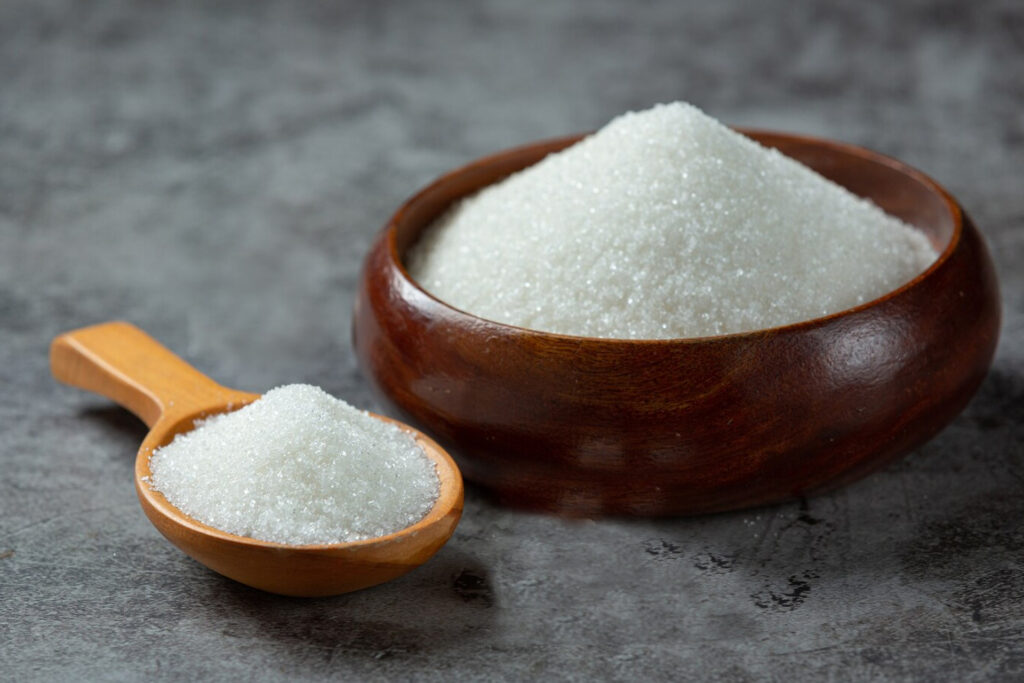
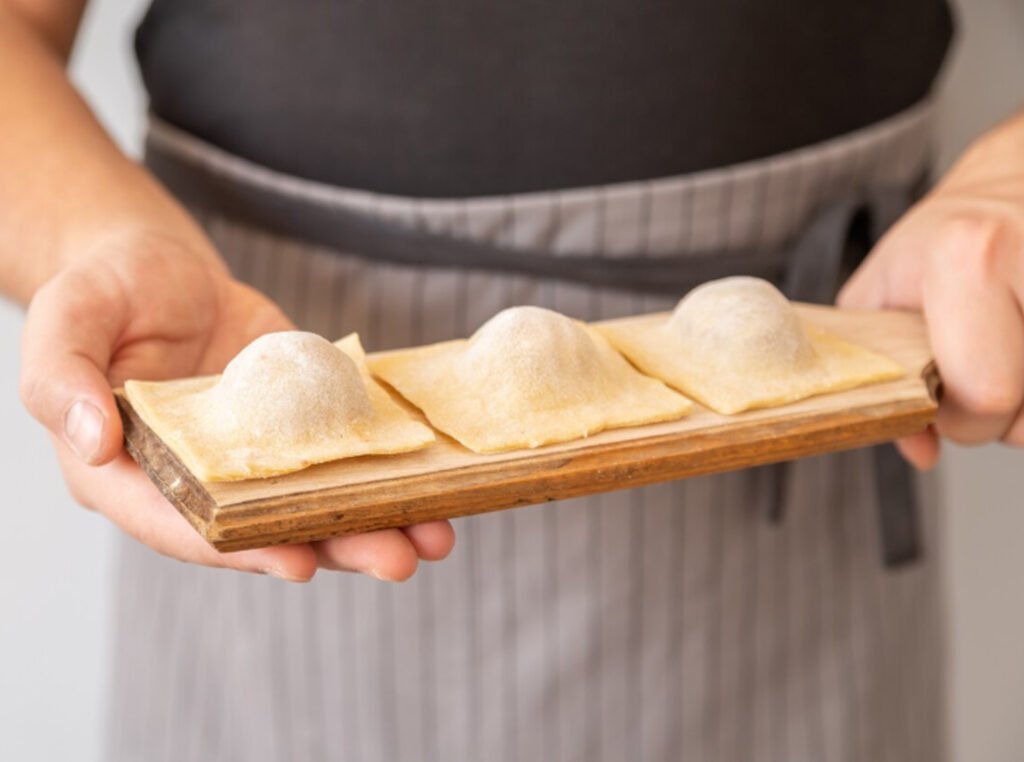
Monosodium glutamate for Chinese Dim Sum Application and its benefits:
MSG is a valuable ingredient in dim sum preparation, enhancing umami depth while allowing for reduced salt and cost-efficient recipes. When used correctly, it elevates the dining experience without compromising authenticity.
Below are its applications and benefits in Dim Sum preparation:
Filling Enhancements – MSG is often added to meat, seafood, and vegetable fillings (e.g., siu mai, dumplings, baozi) to intensify the umami taste.
Dough & Wrapper Seasoning – Some dim sum dough recipes (like for steamed buns) include small amounts of MSG for a more balanced taste.
Sauces & Dipping Condiments – Used in soy-based dipping sauces, hoisin, or XO sauce to deepen flavor complexity.
Broths & Soups – Enhances the savory notes in wonton soup or congee served with dim sum.
Key Benefits of MSG in Dim Sum:
Flavor Enhancement – MSG boosts the natural taste of ingredients without overpowering them, making shrimp, pork, and mushrooms in dim sum more flavorful.
Reduced Sodium Usage – Since MSG enhances taste, chefs can use less salt while maintaining deliciousness, benefiting health-conscious consumers.
Balanced Umami Profile – Works synergistically with soy sauce, ginger, and garlic to create a well-rounded dim sum flavor.
Cost-Effective – A small amount of MSG can amplify taste, reducing the need for expensive ingredients like dried scallops or premium meats.
Consistency in Taste – Helps standardize flavors across batches, important for dim sum restaurants serving large quantities.