
Isolated Soy Protein in Chinese Dim Sum Applications and Its Benefits:
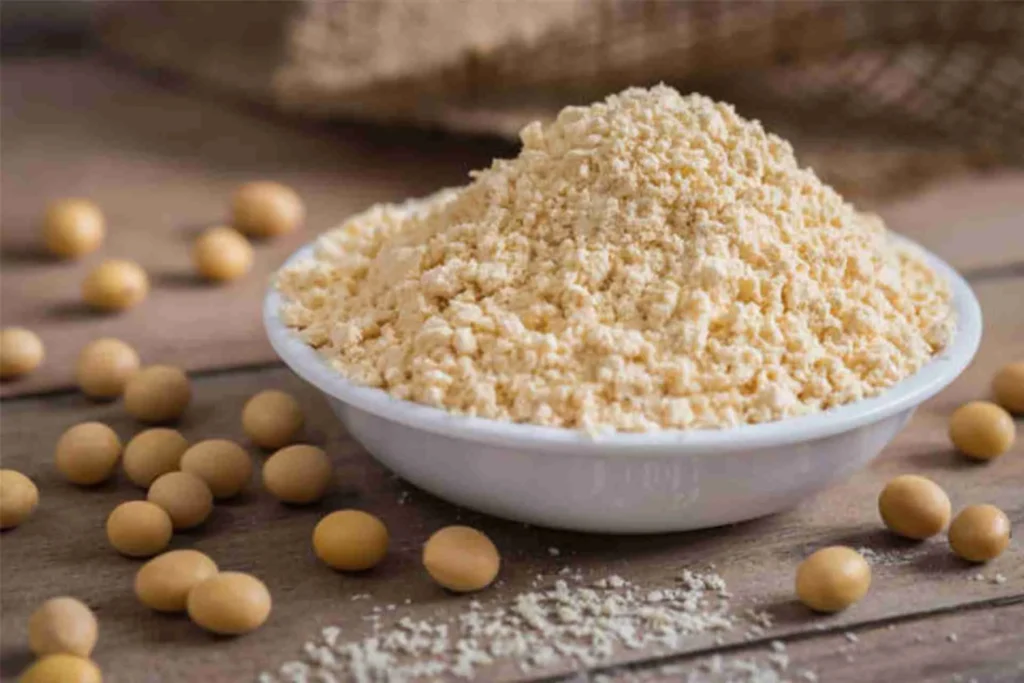
Isolated Soy Protein (ISP) is increasingly used in Chinese dim sum applications due to its functional properties and nutritional benefits. Isolated Soy Protein is a versatile ingredient that enhances both traditional and modern dim sum by improving nutrition, texture, and cost-efficiency while supporting plant-based trends. Its adoption aligns with global demands for sustainable and healthy food options. Here’s how it is applied and its advantages:
Applications in Dim Sum:
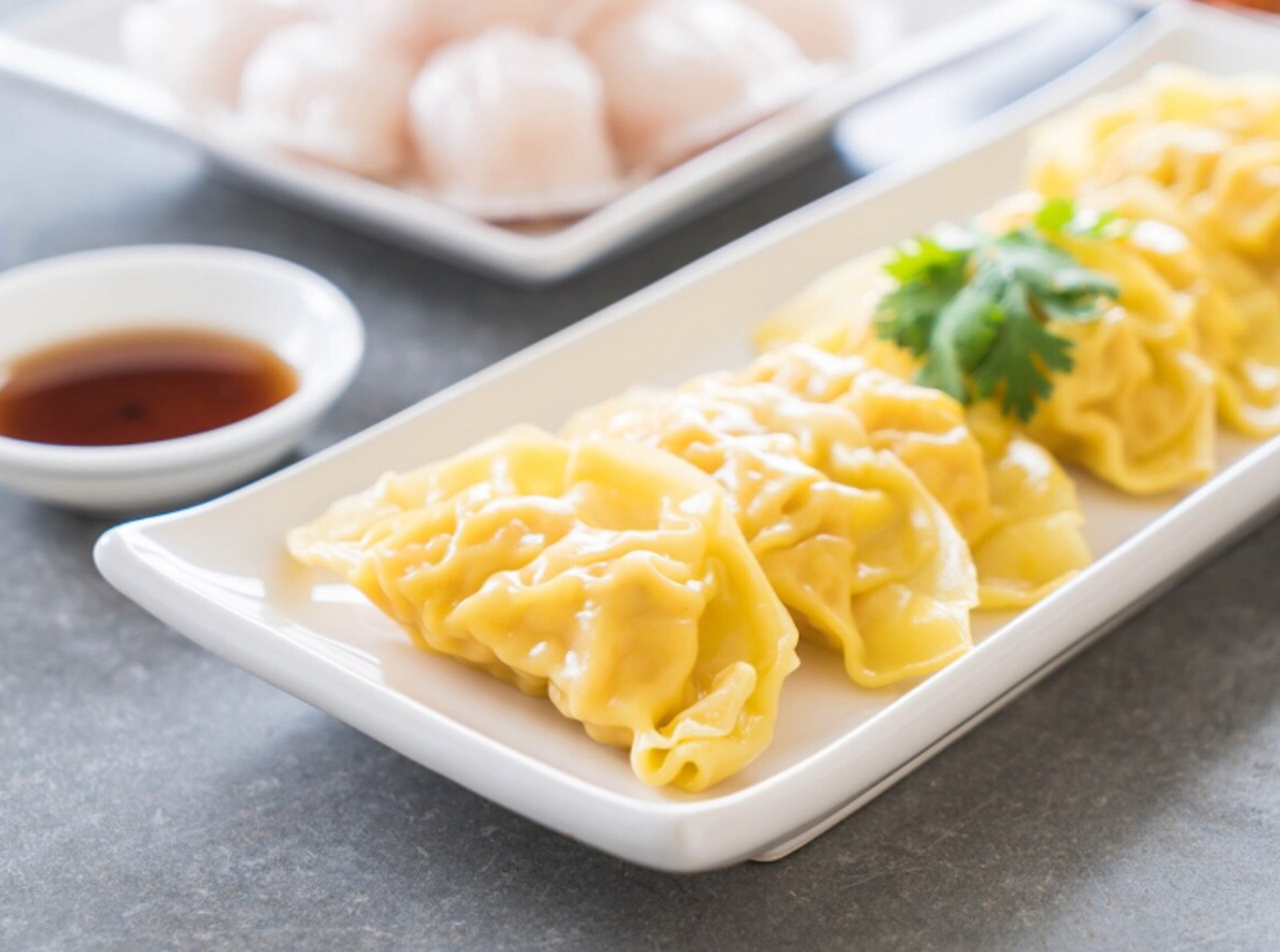
Meat Fillings (Baozi, Dumplings, Siu Mai)
Acts as a meat extender or replacer, reducing cost while maintaining texture.
Improves moisture retention, keeping fillings juicy after steaming or frying.
Vegetarian/Vegan Dim Sum
Serves as a plant-based protein substitute in dishes like vegan dumplings or buns.
Mimics the mouthfeel of meat when properly seasoned and textured.
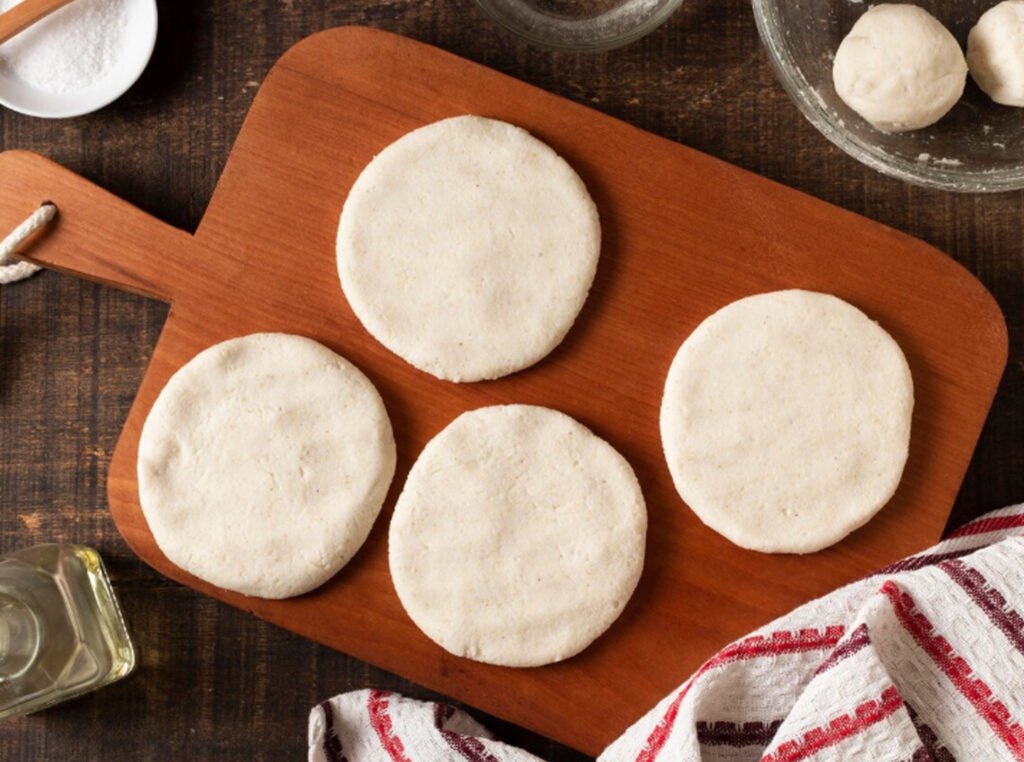
Buns and Wrappers
Enhances dough elasticity and softness in bao (steamed buns) when added in small amounts.
Increases protein content for a more nutritious product.
Gluten-Free Alternatives
Combined with other proteins (e.g., rice flour) to create soy-based dim sum for gluten-sensitive consumers.
Key Benefits of Using Isolated Soy Protein in Dim Sum:
High Protein Content (90 %+) – Boosts nutritional value, appealing to health-conscious consumers.
Low Fat & Cholesterol-Free – Supports heart-healthy and weight-management diets.
Water & Oil Binding – Prevents dryness in fillings, improving shelf life and texture.
Cost-Effective – Reduces reliance on expensive meat without sacrificing quality.
Sustainability – Plant-based, with a lower environmental footprint than animal proteins.
Neutral Flavor – Easily absorbs seasonings, blending seamlessly into traditional dim sum flavors.