
Palm Oil in Sauce Applications and Benefits:
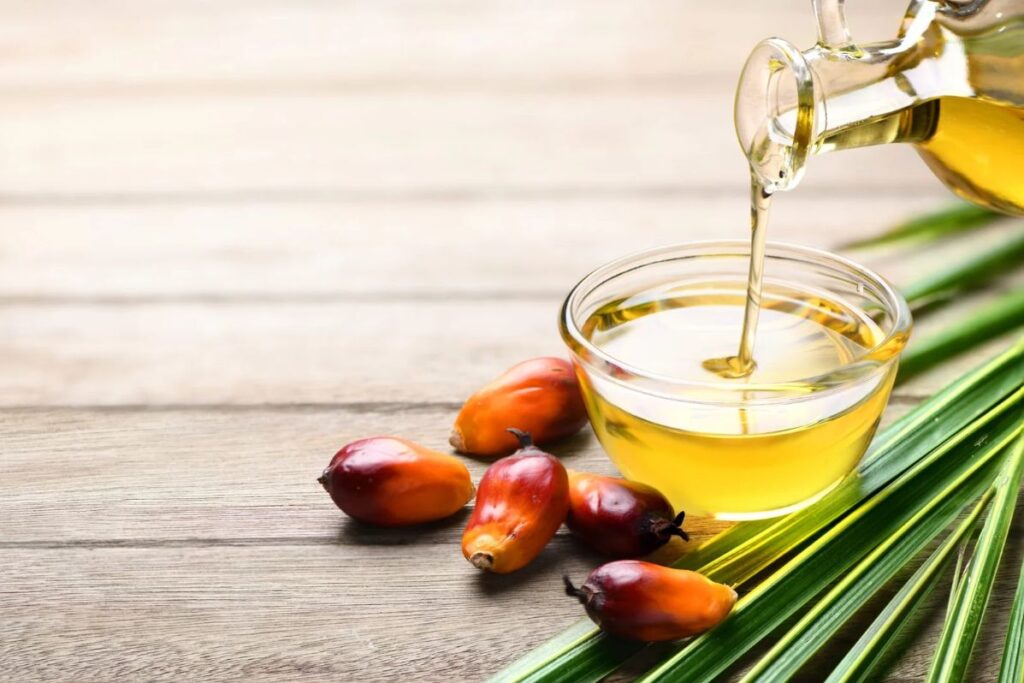
Palm oil is a versatile, stable, and economical choice for sauce formulations, enhancing texture, shelf life, and heat resistance while maintaining a neutral flavor profile. Its functional benefits make it a staple in both household and industrial sauce production. Palm oil is widely used in sauce applications due to its unique functional properties and cost-effectiveness. Below are the key benefits of palm oil in sauces and why it is a preferred choice for manufacturers:
Excellent Stability & Shelf Life
High oxidative stability (resists rancidity) due to its balanced fatty acid composition (saturated & unsaturated fats).
Extends the shelf life of sauces without needing excessive preservatives.
Smooth Texture & Creaminess
Provides a rich, smooth mouthfeel in emulsified sauces (e.g., mayonnaise, dressings, creamy pasta sauces).
Helps maintain consistent viscosity without separation.
Neutral Flavor & Color
Refined palm oil has a mild taste, allowing other sauce flavors (spicy, tangy, sweet) to dominate.
Can be used in clear or opaque sauces depending on processing.
Heat Resistance
High smoke point (~230°C/450°F), making it ideal for cooking sauces that require frying or simmering (e.g., stir-fry sauces, curry pastes).
Maintains stability in hot-filled sauces (e.g., bottled chili sauces).
Cost-Effective & Versatile
More affordable than many other oils (e.g., olive, sunflower) while providing similar functionality.
Available in multiple forms (liquid, semi-solid, fractionated) for different sauce needs.
Natural Preservative Effect
Contains natural antioxidants (tocopherols & tocotrienols – Vitamin E), which help protect sauces from spoilage.
Common Sauce Applications:
Emulsified sauces (mayonnaise, salad dressings)
Cooking sauces (curry pastes, stir-fry sauces)
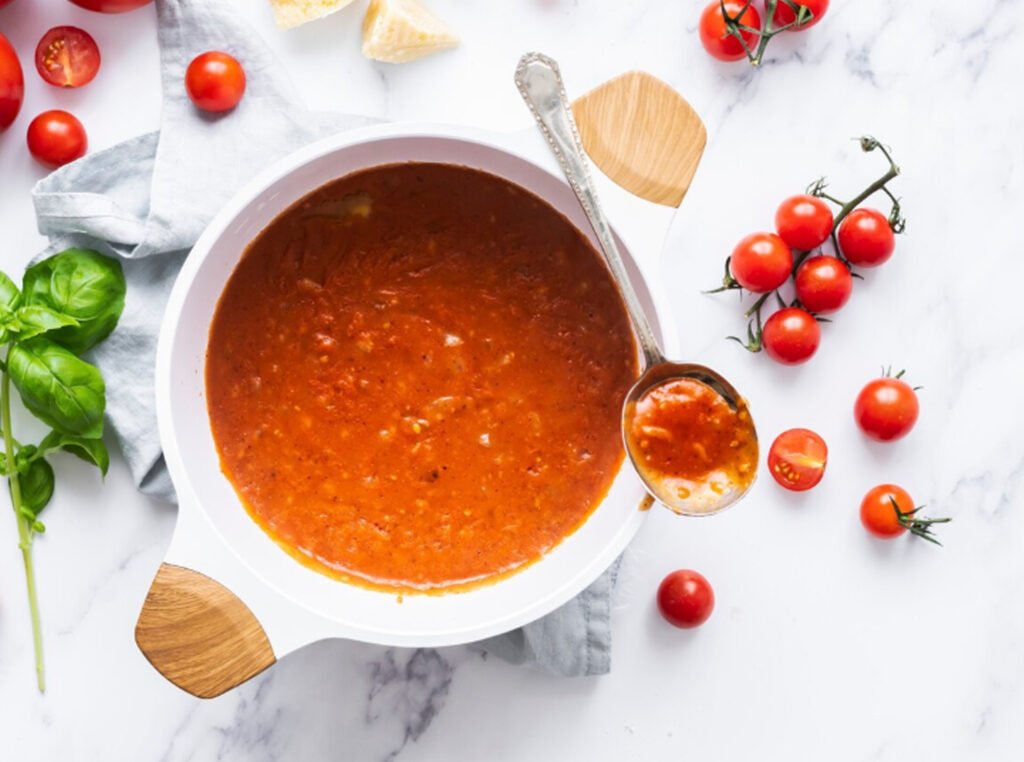
Bottled sauces (hot sauces, ketchup, BBQ sauce)
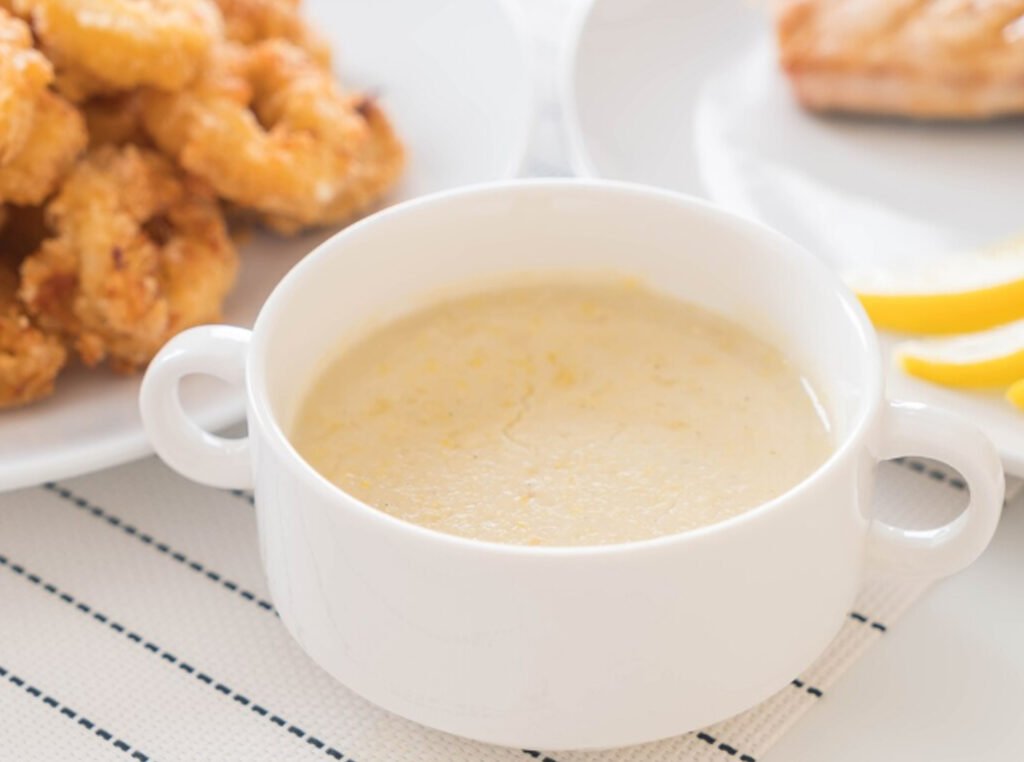
Creamy & cheese sauces (alfredo, nacho cheese)